
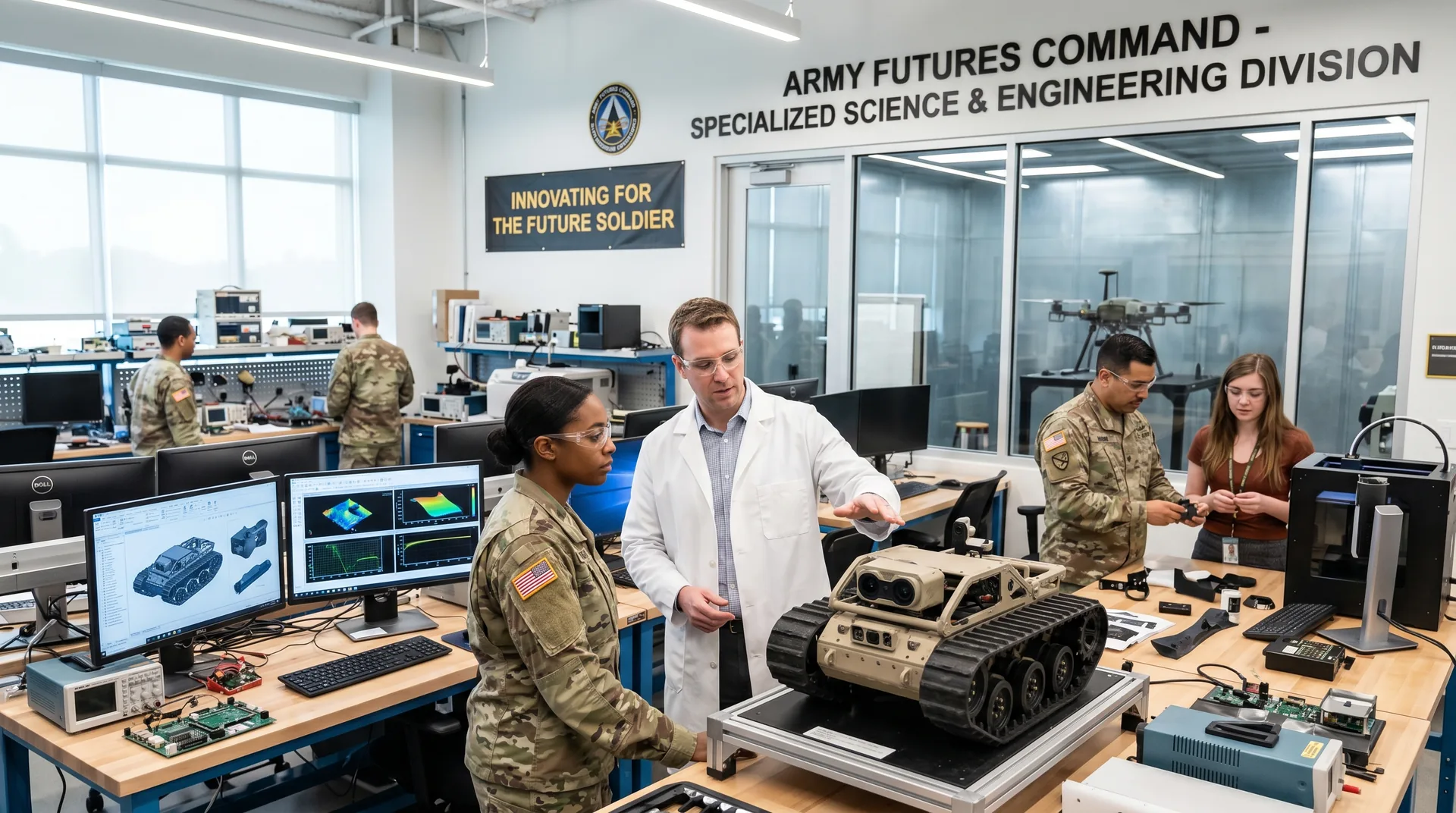
Specialized Science & Engineering
Unlock next level breakthroughs by leveraging our specialized science and engineering capabilities ranging from research and development to climate sciences, aerospace engineering to space computing.
Propel your organization upward to new heights of innovation.
Unlock next-level breakthroughs by leveraging our specialized science and engineering capabilities — from research and development to climate sciences and space computing.
What this practice delivers.
An integrated engineering practice that carries the mission through every readiness review.
Research & development
Applied research with defensible test plans and funding packages.
Scientific programming
High performance codes, notebooks, and validated libraries.
Analysis & data science
Quantitative methods for mission critical decisions.
Climate sciences
Earth observation analytics and remote sensing pipelines.
Space computing
Payload data handling, onboard autonomy, and ground ops.
Aerospace engineering
Avionics, propulsion integration, and flight hardware support.
Hardware development
Instrument design, flight qualification, and sustaining engineering.
Technology integration
System of systems integration and independent mission assurance.
Engaged across the mission.
- 01Systems engineering & INCOSE aligned lifecycle
- 02Modeling, simulation, & digital twins
- 03Avionics integration & test (V&V)
- 04Reliability, maintainability, availability
- 05Safety critical software (DO 178C, DO 254)
- 06Mission assurance & independent review
Earth science data operations
Curated Earth observation archives made discoverable to the public and research community.
Prime on small business research
Concept to demonstration on an accredited engineering workflow.
A 'completely satisfied' rating is warranted due to BI hitting the ground running and mitigating existing issues from the previous contract.
Where S&E
Programs with safety critical software, science missions, or systems engineering at the core.
Aerospace & NASA
Mission systems, ground data
Defense
Avionics, MIL-STD systems
Civilian Federal
Safety-critical regulatory
Industrial / R&D
Embedded + OT systems
Engineering
Methods and standards we run specialized engineering programs on.
How an S&E
From concept exploration through sustainment under safety critical certification regimes.
- Step 01
Concept exploration
Operational concept, trade studies, MOEs / MOPs, and a scoped engineering management plan.
- Step 02
PDR preliminary design
Architecture, requirements baseline, and risk register reviewed under MBSE traceability.
- Step 03
CDR critical design
Detailed design, V&V plans, and certification regime alignment (DO 178C, MIL STD, etc.).
- Step 04
Integration & test
Hardware in the loop, formal verification, and qualification testing against the certification regime.
- Step 05
Operations & sustainment
Mission operations, anomaly resolution, and engineering change management.
About specialized
Q.01Do you handle safety critical software?+
Yes DO 178C, ARP 4754A, and MIL STD systems with the V&V evidence trail those regimes require.
Q.02Can you support NASA mission systems?+
BI is a long standing NASA partner across mission systems, ground data systems, and Earth science platforms.
Q.03Do you carry ITAR / export control posture?+
Yes. ITAR / EAR handling is part of standard engagement intake for relevant programs.
Q.04Do you do MBSE?+
Model based systems engineering is core to how we run engineering programs SysML traceability from CONOPS to verification.
How this practice plugs in.
The pillars this service usually sits next to on a federal program.
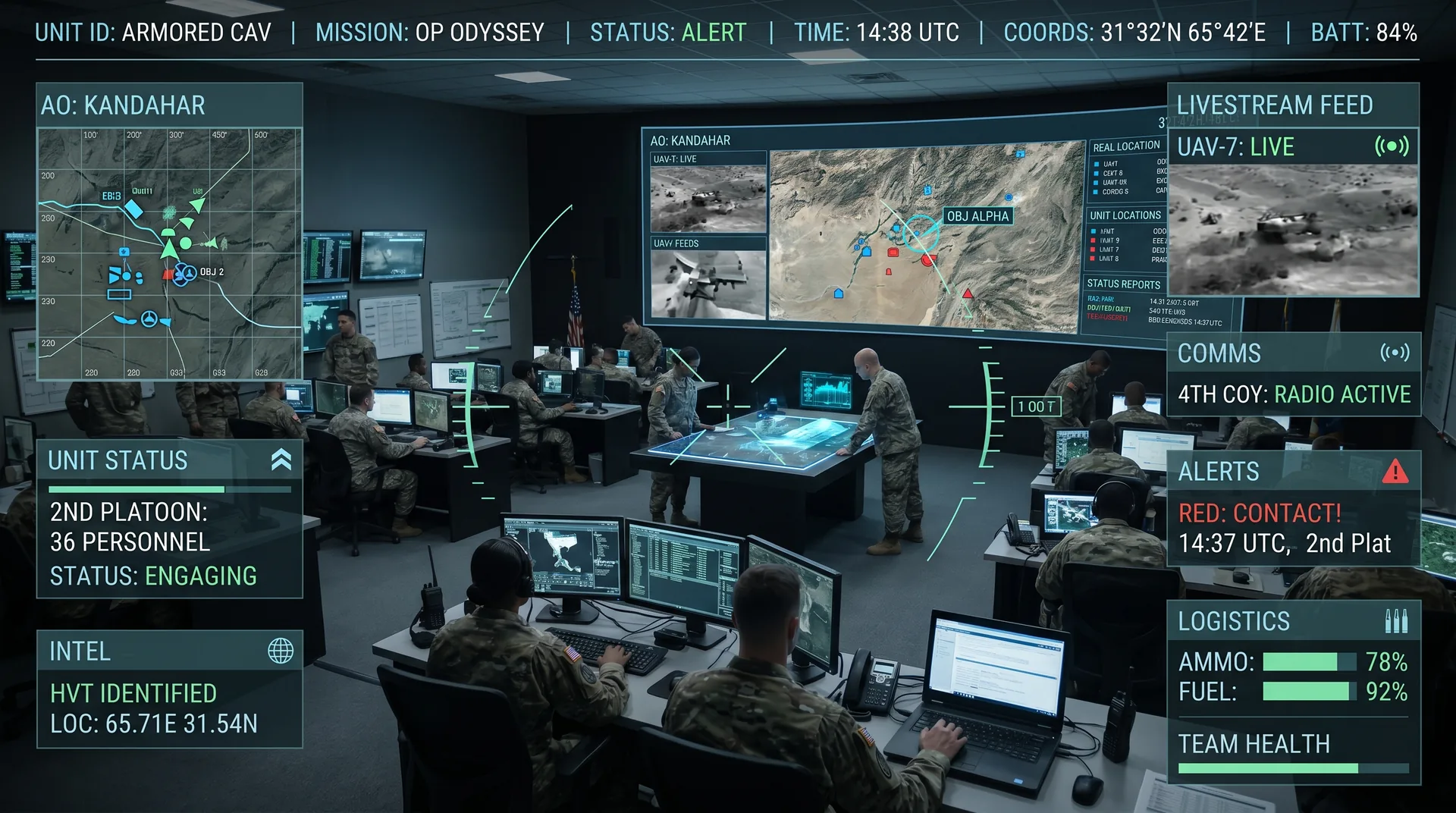
Put this practice on your mission.
Share the mission, the data, and the constraints. We'll come back with a scoped plan, a cleared team, and an audit ready delivery path.